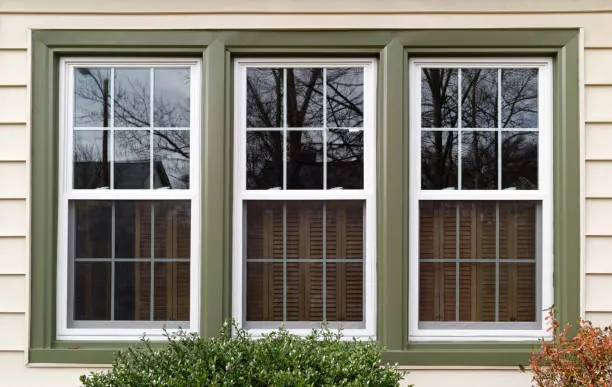
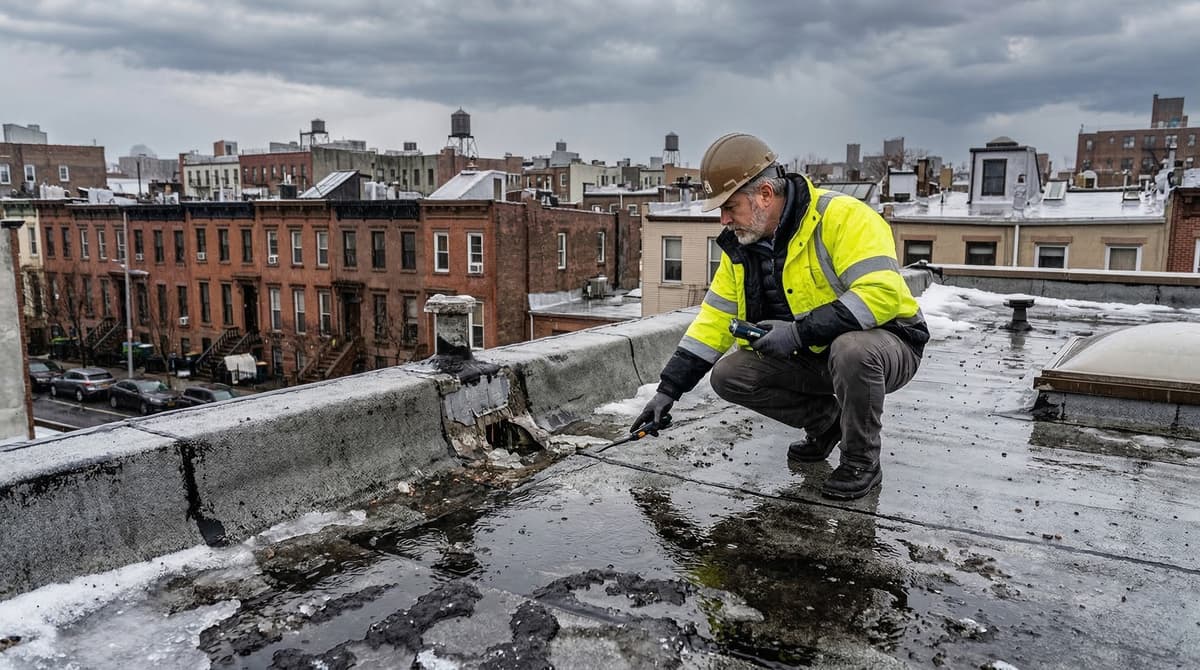
If it feels like the air itself is heavier this time of year, you're not imagining it. Early August is typically the most humid stretch of the New York City summer, and that moisture doesn't just make afternoons uncomfortable — it settles into your roof and siding, too. Combined with long hours of direct sun, this is prime season for mold, mildew, and algae to take hold on the exterior of your home.
At Neat Services Corp, early August is when we start fielding calls about dark streaks on shingles, greenish tinges on siding, and a musty smell creeping into upper floors. In almost every case, the culprit is moisture that has nowhere to escape.
Why Humidity Hits Roofs and Siding So Hard
Unlike a sudden downpour, humidity works slowly. Morning dew, poor airflow, and shaded areas of the house stay damp for hours at a time, giving algae and mold spores the steady moisture they need to grow. Roofs facing north or shaded by trees are especially vulnerable, and siding panels near sprinklers, gutters, or dense landscaping often show the first signs of trouble.
Left alone, this buildup does more than look bad. Algae and moss hold moisture directly against shingles and siding panels, which can accelerate wear, stain surfaces permanently, and in some cases work its way into seams and fastener points.
3 Signs Moisture Is Already a Problem
Walk around your home and look for these warning signs before the humidity peaks further this month:
- Dark or greenish streaks on the roof: these are usually algae, not just dirt, and they spread quickly in humid conditions.
- Soft or discolored patches on siding: areas that stay damp longest are the first to show mold or mildew growth.
- A musty smell in upper rooms: this can indicate moisture is being trapped rather than properly ventilated out of the attic or wall cavities.
Why Addressing It Now Matters
Mold and algae aren't just cosmetic issues — they're a sign that moisture is lingering somewhere it shouldn't be. The longer it sits, the more likely it is to compromise the materials underneath, from shingle granules to siding fasteners. Catching it in early August, while the weather is still warm and dry work is easiest, means avoiding bigger repairs once fall rains arrive.
A professional roof and siding assessment can confirm whether what you're seeing is surface-level growth or a sign of a deeper ventilation or drainage issue.
Request a "Moisture & Growth Check"
Don't let this month's humidity turn into a long-term maintenance headache. A quick inspection now can catch mold and algae before it spreads further or causes lasting damage.
At Neat Services Corp, we inspect, clean, and treat roofing and siding affected by moisture, mold, and algae — helping homeowners across Queens, Brooklyn, the Bronx, and Yonkers keep their homes protected through the rest of the summer.
Noticing streaks or discoloration on your roof or siding? Contact us today for a professional moisture and growth assessment.